

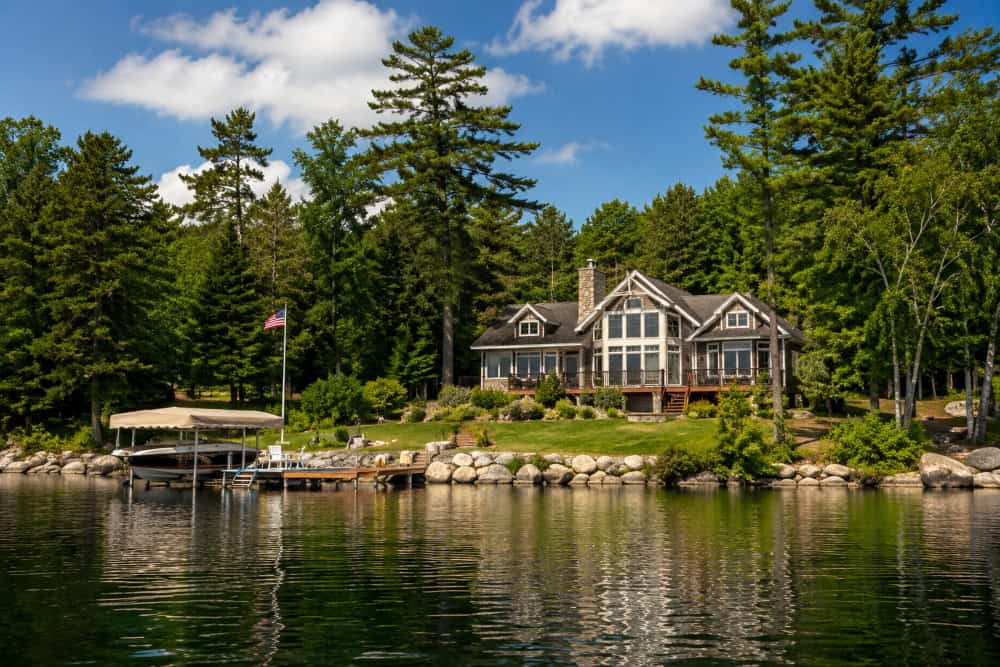
Waterfront homes in Vermont offer direct access to lakes, ponds, rivers, and year-round recreation opportunities. From Lake Champlain properties to smaller lakefront communities throughout the state, waterfront real estate continues to attract buyers looking for seasonal retreats, primary residences, and investment opportunities.
Before purchasing a waterfront property in Vermont, it’s important to understand how shoreline regulations, maintenance requirements, financing considerations, and seasonal conditions can affect ownership. Here’s what buyers should know before starting their search.
Understand Vermont Shoreland Regulations
Many waterfront properties in Vermont are subject to state and local shoreline regulations designed to protect water quality and natural habitats. These rules can impact:
- Dock construction or expansion
- Tree removal near the shoreline
- Landscaping projects
- Septic system placement
- Future additions or renovations
The Vermont Shoreland Protection Act applies to development within 250 feet of lakes and ponds larger than 10 acres. Buyers should review any restrictions associated with the property before closing.
Working with a local real estate professional can help you understand how these regulations may affect future plans for the property.
Evaluate Year-Round Access
Some Vermont waterfront homes are located on seasonal or privately maintained roads. Buyers should confirm:
- Whether roads are publicly or privately maintained
- Winter accessibility
- Snow removal responsibilities
- HOA or road maintenance fees
- Emergency vehicle access
Year-round access can affect financing eligibility, insurance requirements, and long-term usability of the property.
Review Flood Zones and Insurance Requirements
Depending on the property location, flood insurance may be required by lenders. Even homes outside designated flood zones may experience seasonal water fluctuations or shoreline erosion over time.
Before purchasing a waterfront home, buyers should:
- Request a flood zone determination
- Obtain insurance quotes early
- Ask about prior water-related issues
- Review shoreline stabilization measures
Understanding insurance costs upfront can help buyers budget more accurately.
Inspect the Septic and Water Systems
Many waterfront homes in Vermont rely on private septic systems and wells rather than municipal utilities. A detailed inspection is especially important because repairs or replacements near waterfront areas can be more complex due to environmental regulations.
Buyers should verify:
- Septic system age and condition
- Well water quality and flow rate
- System permits and compliance
- Distance from shoreline requirements
A professional inspection can help identify potential issues before closing.
Consider Seasonal Maintenance Needs
Waterfront properties often require additional upkeep compared to inland homes. Maintenance considerations may include:
- Dock installation and storage
- Shoreline erosion prevention
- Tree and vegetation management
- Ice and weather exposure
- Moisture control and drainage
Some properties may also require winterization if used seasonally.
Understanding long-term maintenance expectations can help buyers evaluate overall ownership costs.
Research Short-Term Rental Regulations
Some buyers purchase waterfront homes with plans to use them as seasonal rentals. Regulations can vary by town and property type, so it’s important to confirm:
- Local short-term rental ordinances
- Permit requirements
- Occupancy restrictions
- HOA limitations
- State lodging tax obligations
Buyers considering investment use should research local requirements before making an offer.
Understand Waterfront Property Financing
Certain waterfront homes may have additional lending requirements depending on:
- Seasonal accessibility
- Property condition
- Flood zone status
- Well and septic systems
- Comparable property availability
Getting pre-approved with a lender familiar with Vermont waterfront properties can help buyers better understand financing options early in the process.
Explore Different Vermont Waterfront Locations
Vermont offers a variety of waterfront lifestyles depending on location and property type.
Popular waterfront areas include:
- Lake Champlain communities
- Northeast Kingdom lakes
- Lake Bomoseen
- Southern Vermont lakes and ponds
- Adirondack-region waterfront properties near Northern New York
Each area offers different recreational access, property styles, and seasonal market trends.
View Waterfront Homes for Sale in Vermont
Work With a Local Waterfront Real Estate Expert
Waterfront purchases often involve additional research compared to traditional residential properties. Local market expertise can help buyers evaluate shoreline regulations, seasonal considerations, and long-term property value factors.
CENTURY 21 TheOne works with buyers throughout Vermont and surrounding waterfront communities to help navigate the buying process with local insight and market knowledge.
If you’re considering buying a waterfront home in Vermont, contact CENTURY 21 TheOne to start exploring available properties and local waterfront communities.
View Waterfront Homes for Sale in Vermont
Frequently Asked Questions
Are waterfront homes in Vermont more expensive?
Waterfront homes often command premium pricing due to limited inventory, recreational access, and location demand. Pricing varies by lake, property size, and year-round accessibility.
Do Vermont waterfront homes require flood insurance?
Some waterfront homes may require flood insurance depending on FEMA flood zone designations and lender requirements.
Can you use waterfront homes year-round in Vermont?
Many waterfront homes are year-round residences, though some properties may be seasonal depending on road access, insulation, and utility systems.
What should I inspect before buying a waterfront property?
Buyers should review the septic system, well, shoreline condition, flood risk, dock permits, and year-round access conditions before purchasing.


Connect